Aspirin- also known as "The Wonder Drug"
-
Aspirin has been around for thousands of years, it was not discovered by anyone, but developed through research.
-
The leaves and bark of the willow tree contain a substance called salicin
-
Salicin is a naturally occurring compound similar to acetylsalicylic acid which is the chemical name for aspirin
-
Aspirin is known as a fever fighter
-
The first origin of aspirin was found in 400 BC by a Greek physician Hippocrates who prescribed the bark and leaves of the willow tree to relieve pain and fever.
Below is a timeline which shows the history of aspirin and how it has developed over the years to what it is today
1763- A clergyman called Edward Stone read a paper to the Royal Society of London: ‘An account of the success of the Bark of the Willow in the Cure of Agues’. He had collected observations from around the country on the effect of willow bark on the relief of fever due to agues (malaria).
1832-
A German chemist experimented with salicin and created salicylic acid. 1840's-
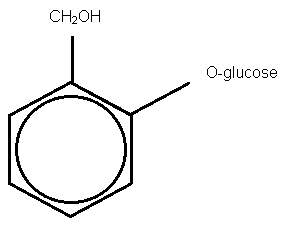
Organic chemists working with willow bark isolated and identified the active ingredient as salicin. (image below salicin)
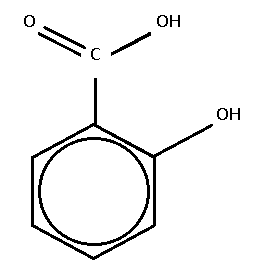
1870- Professor von Nencki of Basle demonstrated that salicin was converted into salicylic acid in the body. (image below saliciylic acid (2-Hydroxybenzoic acid))
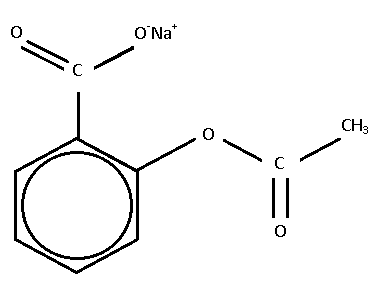
1875- Chemists made sodium salicylate and gave it to doctors. It helped to reduce pain and fever but tasted horrible and the patients vomitted. (image below sodium salicyate-(Sodium 2-hydroxybenzoate)
1897-
A Chemist F. Hoffmann, at Bayer in Germany, chemically synthesized a form of ASA powder that relieved his father from pain due to his rheumatism.
1899-
Bayer distributes aspirin powder to physicians.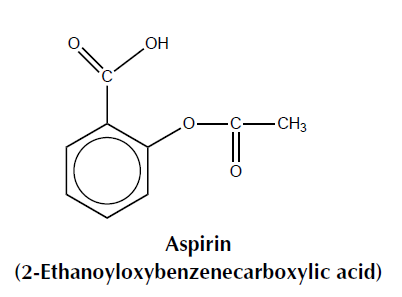
1915-
Aspirin becomes available without a prescription. Manufactured in tablet form.1920s-
Aspirin is now used to treat symptoms of pain related to rheumatism, lumbago & neuralgia.1948-
Dr. L. Craven noticed that the 400 men he prescribed aspirin to hadn't suffered from any heart attacks. He then recommended that all his patients and colleagues take "an aspirin a day" as this could reduce the risk of heart attack.1952-
Children's Chewable Aspirin is introduced.1969-
Bayer Aspirin tablets were included in the self-medication kits taken to the moon by the Apollo astronauts.Early 1970s-
scientists discovered that aspirin inhibits the production of chemicals, called prostaglandins, that are involved in inflammation.1984-
Toleraid® microcoating (clear coat) is added to Genuine Bayer Aspirin to make the tablets easier to swallow.1988-
The use of aspirin expands beyond pain relief to that of a potential lifesaver (strokes and heart attacks). further research is then developed to continue to explore aspirin's role in prevention of other diseases.1998-
The results of the Thrombosis Prevention Trial stated that ASA was effective in the prevention of MI.
2003-
Bayer filed a Citizen's Petition with the FDA to broaden the professional labeling of aspirin to include an indication for prevention of a first heart attack in individuals at moderate or greater risk of coronary heart disease. Aspirin is also now supplied in first aid kits to be administered to someone suffering from a heart attack.
